
Unraveling the strands
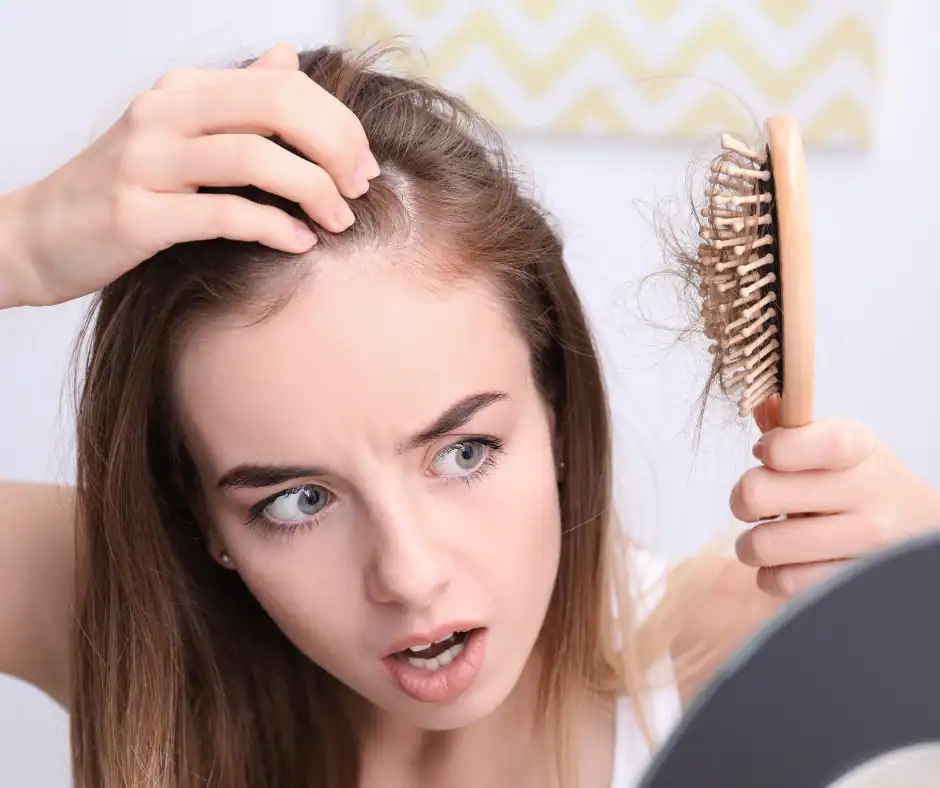
Decoding Hair Loss & Exploring the Medical Terminology Behind Thinning Strands
Opulence Salon MN Unravels the Strands: Understanding Hair Loss – Who Gets It and Causes
✨Introduction:
Hair loss is a universal concern that transcends age, gender, and background. Whether a result of genetics, lifestyle choices, or underlying health conditions, hair loss can significantly impact an individual’s self-esteem and overall well-being. In this blog post, we will delve into the intricacies of hair loss, exploring who is susceptible to it and the diverse causes behind this common phenomenon.
✨Who Gets Hair Loss?
Hair loss is not discriminatory; it affects people from all walks of life. While some may experience it at a younger age, others might notice thinning hair or baldness later in life. Both men and women can be susceptible, though patterns and prevalence can differ between the sexes. Factors such as genetics, hormonal changes, and overall health play crucial roles in determining who may be more prone to hair loss.
✨Common Causes of Hair Loss:
- Genetics (Hereditary Hair Loss): One of the most common causes of hair loss is a hereditary condition known as androgenetic alopecia. This type of hair loss can affect both men and women and is often referred to as male-pattern baldness or female-pattern baldness. It occurs when there is a genetic predisposition to hair follicles becoming sensitive to the hormone dihydrotestosterone (DHT), leading to the gradual shrinking and eventual loss of hair.
- Hormonal Changes: Hormonal fluctuations can contribute to hair loss. For example, women may experience hair thinning during pregnancy, postpartum, or menopause due to changes in estrogen and progesterone levels. In men, an imbalance of hormones, such as an excess of DHT, can lead to male-pattern baldness.
- Medical Conditions and Treatments: Various medical conditions and treatments can result in hair loss. Conditions like alopecia areata, thyroid disorders, and autoimmune diseases can impact hair growth. Additionally, certain medications used for cancer treatment, arthritis, depression, and high blood pressure may have hair loss as a side effect.
- Nutritional Deficiencies: Inadequate nutrition, particularly deficiencies in iron, zinc, and vitamin D, can contribute to hair loss. A balanced diet that supports overall health is crucial for maintaining healthy hair.
- Stress and Lifestyle Factors: Chronic stress, whether emotional or physical, can trigger hair loss. Additionally, poor lifestyle choices such as excessive smoking, alcohol consumption, and a lack of sleep can contribute to overall health issues that manifest in hair loss.
✨Conclusion:
Understanding the diverse causes of hair loss is the first step towards finding effective solutions. Whether influenced by genetics, hormonal changes, medical conditions, nutritional deficiencies, or lifestyle factors, there are various approaches to managing and even reversing hair loss. Seeking professional advice, adopting a healthy lifestyle, and exploring available treatments can empower individuals to address hair loss and regain confidence in their appearance. Remember, you are not alone in this journey, and there is a wealth of resources and support available to help unravel the strands of hair loss.
Decoding Hair Loss: Exploring the Medical Terminology Behind Thinning Strands
✨Introduction:
Hair loss, medically known as alopecia, is a condition that affects millions of people worldwide. Understanding the various types and causes of hair loss requires familiarity with the intricate medical terminology associated with this common phenomenon. In this blog post, we will embark on a journey to decode the medical names for hair loss, shedding light on the diverse conditions that can lead to thinning strands.
- Androgenetic Alopecia: Commonly known as male-pattern baldness or female-pattern baldness, androgenetic alopecia is the most prevalent form of hair loss. It is hereditary and occurs when hair follicles become sensitive to the hormone dihydrotestosterone (DHT), leading to the gradual shrinking and eventual loss of hair.
- Alopecia Areata: Alopecia areata is an autoimmune condition characterized by the sudden onset of round or oval patches of hair loss. It occurs when the immune system mistakenly attacks hair follicles, causing hair to fall out. In some cases, it may progress to total scalp or body hair loss (alopecia totalis or alopecia universalis, respectively).
- Telogen Effluvium: Telogen effluvium is a type of temporary hair loss that occurs when a significant number of hair follicles prematurely enter the resting (telogen) phase of the hair growth cycle. It is often triggered by factors such as surgery, illness, stress, or certain medications, leading to noticeable hair shedding.
- Trichotillomania: Trichotillomania is a psychological disorder characterized by the irresistible urge to pull out one’s hair, leading to noticeable hair loss. It is often a coping mechanism for stress or emotional distress.
- Cicatricial Alopecia: Also known as scarring alopecia, cicatricial alopecia refers to a group of rare disorders where hair follicles are replaced by scar tissue. This irreversible condition can result from inflammation, infections, or other underlying skin conditions.
- Traction Alopecia: Traction alopecia is hair loss caused by prolonged tension or pulling on the hair. Common causes include tight hairstyles, hair extensions, or constant use of hair accessories that stress the hair follicles.
- Hormonal Hair Loss: Changes in hormonal levels can contribute to hair loss. Conditions such as androgenetic alopecia, postpartum alopecia, and hormonal imbalances can result in varying degrees of hair thinning.
✨Conclusion:
Understanding the medical names for different types of hair loss is a crucial step toward effective management and treatment. Whether the cause is genetic, autoimmune, or linked to external factors, recognizing the specific condition enables individuals to seek appropriate care and solutions. If you are experiencing hair loss, consulting with a healthcare professional or dermatologist can help identify the underlying cause and guide you toward personalized treatment options. Remember, each strand tells a story, and with the right knowledge, you can navigate the intricate world of hair loss with confidence and informed decision-making.
Disclaimer:
The information provided in the above blog posts is for general informational purposes only and is not intended as a substitute for professional medical advice, diagnosis, or treatment. Always seek the advice of your physician, dermatologist, or qualified healthcare provider with any questions you may have regarding a medical condition.
The content of these blogs is based on general knowledge and research available up to the knowledge cutoff date of January 2022. Medical science is constantly evolving, and new information may emerge that could impact the understanding and management of hair loss. It is essential to consult with a healthcare professional for the most current and personalized guidance based on your specific health circumstances.
Individual experiences with hair loss can vary, and the effectiveness of different treatments may depend on various factors, including the underlying cause of hair loss, overall health, and individual response to interventions. Any lifestyle changes or treatments discussed in these blogs should be discussed with a healthcare professional to determine their appropriateness for your specific situation.
The authors and the platform do not endorse or recommend any specific products, treatments, or services mentioned in the blogs. Any mention of specific products or services is for informational purposes only and does not constitute an endorsement.
Reliance on any information provided in these blogs is solely at your own risk. The authors and the platform disclaim any liability for any injury, loss, or damage incurred as a consequence of the use or reliance upon the information provided. If you have a medical emergency, please call your emergency services immediately.
By reading these blogs, you acknowledge and agree to the terms of this disclaimer.
Schedule A Consultation Today
Or Shop Our Collection Of Wigs & Hair
Pieces By Clicking Below
.